How to Prevent Car Window Leaks and Water Damage All Year
Rain on the roof. Snow melting off your trunk. You expect water to stay outside your car—never inside. But every year, drivers wake up to the soggy surprise of water on their seats or puddles on the floor mats. At Autoglass Royal, we know how damaging—and avoidable—car window leaks can be.
Keeping your auto_glass watertight isn’t just about comfort. It’s about safety, savings, and preserving your car’s value. This guide will show you how to spot the warning signs, prevent water intrusion in every season, and know when to call for professional help. Let’s keep your ride high and dry.
Why Car Windows Leak
Water is persistent. It seeks the tiniest cracks, weak seals, or worn-out weatherstripping. Over time, even the best-made vehicles can develop leaks around windows, sunroofs, or windshields.
Here’s why leaks happen:
- Aging Seals: Rubber and adhesive bonds naturally age, harden, or crack.
- Weather Extremes: Hot summers and icy winters make seals expand and contract—eventually, they lose their grip.
- Road Vibration: Every bump and pothole shakes your auto_glass just a little. Over years, this loosens seals.
- Improper Repairs: Quick fixes or low-quality glass installations often skip important sealing steps.
- Clogged Drainage: Sunroofs and some windows have drains. If blocked, water sneaks inside instead of draining away.
Ignoring these issues is like letting a tiny leak in your roof drip for months. Eventually, you’ll face water damage, mold, and expensive repairs.
Seasonal Risks: Rain, Snow, and Storms 🌧️
Every season plays rough with your car’s glass and seals.
- Spring: Heavy rains test every gap. Look for water trails around windows after storms.
- Summer: UV rays dry and crack rubber seals. Sudden thunderstorms can expose weak spots.
- Fall: Falling leaves and debris can clog sunroof and door drains, trapping water.
- Winter: Freezing temps make gaskets brittle. Melting snow can sneak through hairline cracks as it thaws.
The Insurance Institute for Highway Safety (IIHS) warns that untreated leaks can cause electrical problems, mold, and safety issues if airbags or sensors are affected. Regular checks—especially before and after severe weather—are a must.
DIY Seal Checks and Maintenance
You don’t need a mechanic to catch most leaks early. Think of it like checking your shoes for holes before hiking through puddles.
Try these simple steps:
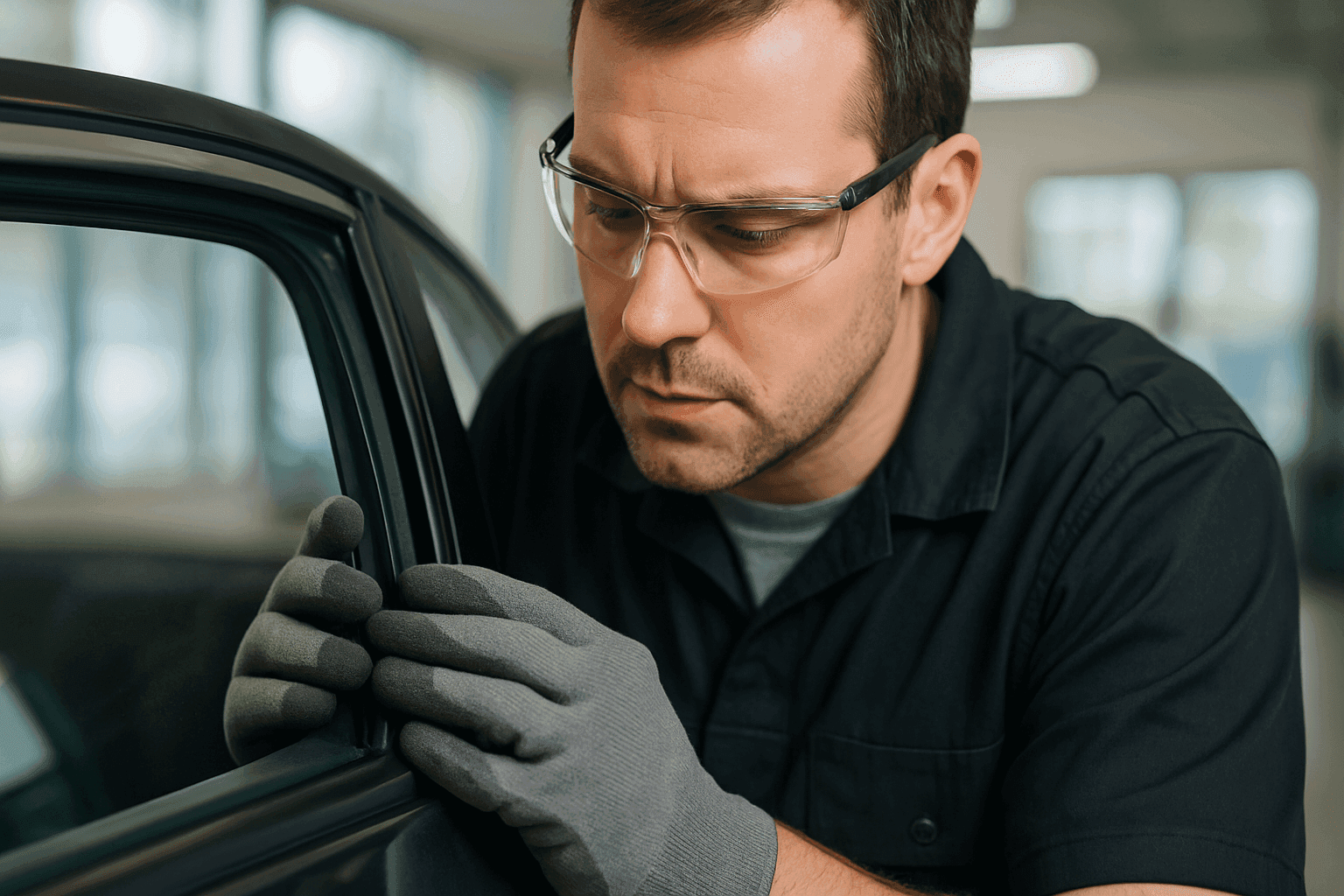
- Visual Inspection: Look for cracked, dry, or peeling seals around each window and the sunroof.
- Touch Test: Gently run your hand along all rubber seals. If they feel brittle or sticky, they’re aging.
- Water Hose Test: With doors and windows closed, spray water over your car and check inside for drips or dampness.
- Interior Check: After rain, check for foggy windows, musty smells, or unexplained damp spots on seats or carpets.
- Clean Drains: Use a small, flexible wire or air to clear sunroof and door drains. Blockages are common leak culprits.
Keep seals healthy:
- Clean window edges and seals with mild soap—dirt and debris break down rubber over time.
- Use a rubber conditioner (available at auto stores) to keep seals supple.
When to Call a Professional
If you spot drips, puddles, or water stains—or if your DIY checks turn up anything suspicious—it’s time to bring in the experts.
Here’s when to call Autoglass Royal for help:
- Recurring Leaks: DIY fixes didn’t work, or water keeps coming in.
- Major Cracks or Chips: These can let water in and weaken the glass.
- Sunroof Issues: Sunroofs are complex and need professional tools to repair or reseal.
- ADAS Sensors and Cameras: Water near advanced driver assistance systems? Get it checked ASAP—safety is at stake.
- Fleet or Commercial Vehicles: Large vehicles have unique sealing needs best handled by trained techs.
Professional technicians use specialized sealants, tools, and knowledge to diagnose and solve tough leaks—stopping water at the source, not just the symptom.
The Importance of Regular Inspections and Cleaning 🧼
Think of window seals like the zippers on a tent. If they’re dirty, sticky, or worn, even the best tent will let rain inside.
Best practices:
- Inspect seals at least twice a year—before rainy season and before winter.
- Clean all glass surfaces and seals regularly. Dirt acts like sandpaper, wearing seals down.
- Wipe up any water inside your car immediately to prevent mold and mildew.
- Park in shade when possible; extreme heat ages seals quickly.
- If you notice increased wind noise, this could be a sign of seal failure even before leaks appear.
Following guidelines from the National Highway Traffic Safety Administration (NHTSA), regular maintenance protects your car’s structural integrity and keeps electronics dry.
Long-Term Cost Savings
Prevention isn’t just smart—it’s affordable. Fixing a minor seal issue could cost little, while ignoring a leak might lead to:
- Damaged electronics or airbags
- Mold remediation
- Interior replacement (carpet, seats)
- Rust and corrosion
A little maintenance now saves you hundreds—sometimes thousands—down the road.
Frequently Asked Questions
How do I know if my window leak is serious?
If you see standing water, smell mildew, or notice electrical issues, act fast. Minor leaks can become major problems in a hurry.
Can I use household caulk to fix a car window leak?
No. Automotive sealants are specially designed for temperature swings and vibration. Household products often fail or cause damage.
Is water under my floor mats always a glass issue?
Not always—blocked AC drains or door gaskets can cause leaks. But windows and windshields are common trouble spots.
Should I repair or replace my windshield if it leaks?
It depends on the damage. Small seal leaks can be repaired, but cracks or poorly-installed windshields often require replacement.
Local and Seasonal Considerations 🌡️
No matter where you live, weather is unpredictable. Sudden storms or heat waves can stress your car’s auto_glass in surprising ways.
- In humid climates, mold grows fast—dry wet areas immediately.
- In snowy regions, salt and sand can eat away at seals. Clean often.
- If you park outdoors, use windshield covers in extreme weather.
“Windshield Repair near you” is available through mobile services, making it easy to get expert help wherever you are.
A dry car is a happy car. Don’t let leaks sneak up on you or ruin your ride. If you spot trouble—or just want peace of mind—Autoglass Royal is here to help.
Call Autoglass Royal now — or reach us anytime at 888-899-8795 .