The Homeowner’s Guide to Car Window Tinting: Benefits, Myths & Maintenance
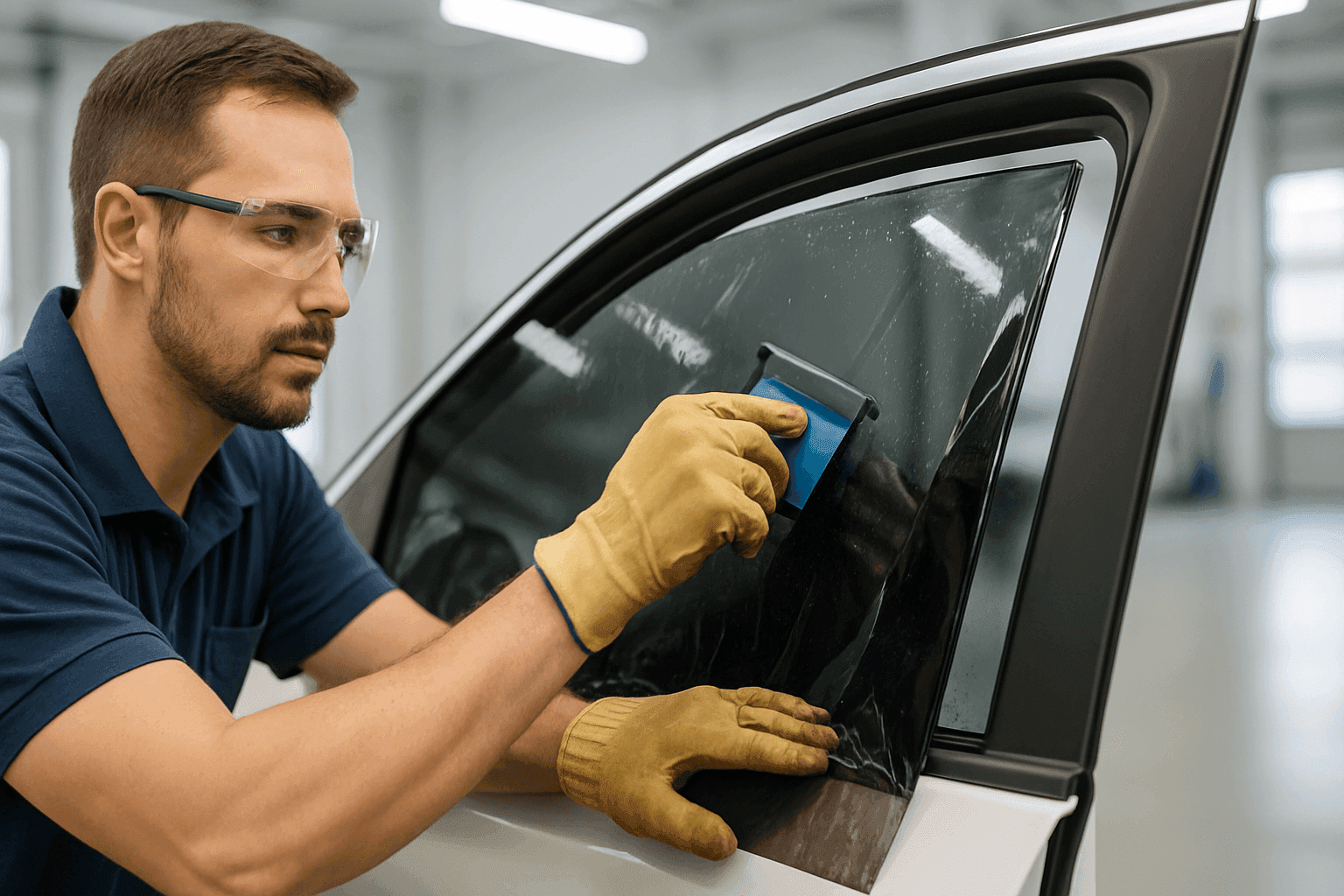
Owning a car isn’t just about getting from A to B. It’s about protecting what matters—your family, your comfort, and your investment. For many homeowners, car window tinting is a smart move. But there’s a lot of noise out there. Myths swirl. Uncertainty lingers. Maintenance worries creep in.
At Autoglass Royal, we’ve seen it all—windshield repair, sunroof leaks, scratched glass, and every kind of window tint you can imagine. This guide is your shortcut to clear answers and practical steps. Let’s dive in.
Why Tint Your Car Windows? 🛡️
Think of tinting as sunglasses for your car. It’s more than just a style upgrade. It’s a shield—protecting both your eyes and your interior from the harshness of the sun. But the benefits run deeper:
- Heat Reduction: Tinted windows block a significant portion of solar heat. That means cooler rides, less dependence on air conditioning, and lower energy use.
- UV Protection: Quality tint can block up to 99% of harmful UV rays, which helps prevent skin damage and keeps your car’s interior from fading or cracking.
- Privacy & Security: Tints obscure the view into your vehicle, protecting valuables from prying eyes and adding a subtle layer of security.
- Glare Reduction: Night or day, tinting helps cut annoying glare. Whether from headlights or the midday sun, your eyes get a break.
- Shatter Resistance: The film can help hold shattered glass together in case of an accident, making a break-in or collision a little less dangerous.
For many homeowners, these benefits translate to peace of mind. It’s comfort and confidence, every time you get behind the wheel.
Understanding Tinting Myths
Not everything you hear about window tinting is true. Let’s clear the fog:
Myth 1: "Tinting is illegal everywhere."
Fact: Tint laws vary. Some states limit how dark you can go—especially on front side windows. Others set standards for reflectivity. The U.S. Department of Transportation and local DMV codes are the go-to sources for legal guidance. Always check your local rules before choosing a tint.
Myth 2: "Tint makes driving at night dangerous."
Fact: High-quality, professionally installed tints are designed to reduce glare without harming nighttime visibility. The key is picking the right shade and avoiding ultra-dark films.
Myth 3: "Tinting will ruin my windows or void warranties."
Fact: When installed by certified auto_glass professionals, tinting won’t compromise your windows’ function or your vehicle warranty. Many manufacturers and insurance companies even recommend it.
Myth 4: "All tints are the same."
Fact: Cheap, DIY kits often fade, bubble, and peel. Professional-grade films offer better clarity, fade resistance, and longevity. It’s the difference between a dollar-store umbrella and a sturdy raincoat.
How to Maintain Tinted Windows
Like a new coat of paint, your window tint needs a little TLC to last. Here’s how to keep it looking sharp and functioning well for years:
Wait Before Cleaning
Freshly tinted windows need time to cure. Wait at least 3–5 days before cleaning or rolling down your windows.
Choose the Right Cleaner
Skip ammonia-based products. They can discolor or degrade the film. Instead, use a mild soap and water solution or a cleaner specifically labeled safe for tinted windows.
Use Soft Materials
Microfiber cloths are your friend. Avoid abrasive sponges or paper towels that can scratch or lift the tint film.
Regular Checks
Look for bubbles, peeling, or discoloration—early. Addressing small issues quickly can prevent bigger problems down the road.
Protect from Sharp Objects
Watch out when loading tools, sports gear, or pet crates. Even a small nick can start a bigger tear.
Legal & Safety Considerations ⚖️
Window tinting is regulated for a reason—safety matters. Here’s what every homeowner should know:
- Check State & Local Laws: Most states spell out the maximum allowed tint darkness (measured as VLT—Visible Light Transmission) per window. Some set rules for reflectivity and colors. The International Window Film Association and state DMV websites are reliable resources.
- ADAS Calibration: Many newer vehicles rely on ADAS (Advanced Driver Assistance Systems) sensors mounted near the windshield. If you’re considering windshield tinting, make sure your installer is trained in ADAS calibration to keep safety features functioning properly.
- Insurance Considerations: Always inform your insurance provider after tinting. In some cases, coverage may be affected if illegal or unapproved tint is applied.
- Emergency Services: Excessively dark tints can make it harder for emergency responders to see inside a vehicle. Stay within legal limits for everyone’s safety.
Choosing the Right Tint for Your Needs
Picking a tint isn’t just about the darkest film you can buy. Consider these factors:
- Intended Use: Is heat reduction your main concern? Privacy? Glare control?
- Film Type: Options include dyed, metallic, carbon, and ceramic films. Each has pros and cons in terms of cost, clarity, and performance.
- Aesthetics: Some tints have a matte, charcoal look. Others are mirrored or color-shifting.
- Professional Installation: Choose a certified auto_glass technician for best results and warranty protection.
Practical Tips for Long-Lasting Tint
- Park in Shade: Whenever possible, park in covered or shaded areas to reduce UV exposure.
- Avoid Stickers: Don’t put decals or suction cups directly on tinted windows.
- Routine Cleaning: Clean regularly using the methods above to keep grime and dust from damaging the film.
- Watch for Problems: Address bubbling, peeling, or fading promptly with a reputable Windshield Repair near you.
Frequently Asked Questions
How long does window tint last?
With professional installation and proper care, most tints last 5–10 years or longer. Quality materials and climate exposure play a big role.
Can I wash my car right after tinting?
It’s safe to wash the exterior, but avoid cleaning the inside surfaces of tinted windows for at least 3–5 days to allow curing.
Will window tint affect my car’s electronics or sensors?
Properly installed tint on side and rear windows won’t interfere with electronics. Windshield tinting should be done by technicians trained in ADAS calibration, especially for newer vehicles.
What if my tint starts to bubble or peel?
Contact a professional auto_glass service promptly. Small repairs may be possible, or the film may need to be replaced.
Local & Seasonal Considerations 🌤️
Extreme heat, cold, or humidity can affect how a tint cures and how long it lasts. In hot climates, higher-performance films (like ceramic) are worth considering for added UV and heat rejection. In colder regions, make sure your installer uses products rated for low temperatures and follows best practices for curing.
If you live in an area with frequent storms or road salt, regular cleaning is even more important to prevent buildup along window edges.
Final Thoughts
Car window tinting is a smart investment for homeowners—when done thoughtfully and maintained with care. It’s about more than looks. It’s about protection, comfort, and peace of mind.
If you’re ready to enhance your vehicle or need advice on the right tint, our team is here to help. Windshield Repair near you, glass scratch removal, and insurance claims assistance are all just a call away.
Call Autoglass Royal now — or reach us anytime at 888-899-8795 .