How to Handle Auto Glass Damage After Severe Weather: A Homeowner and Small Business Guide
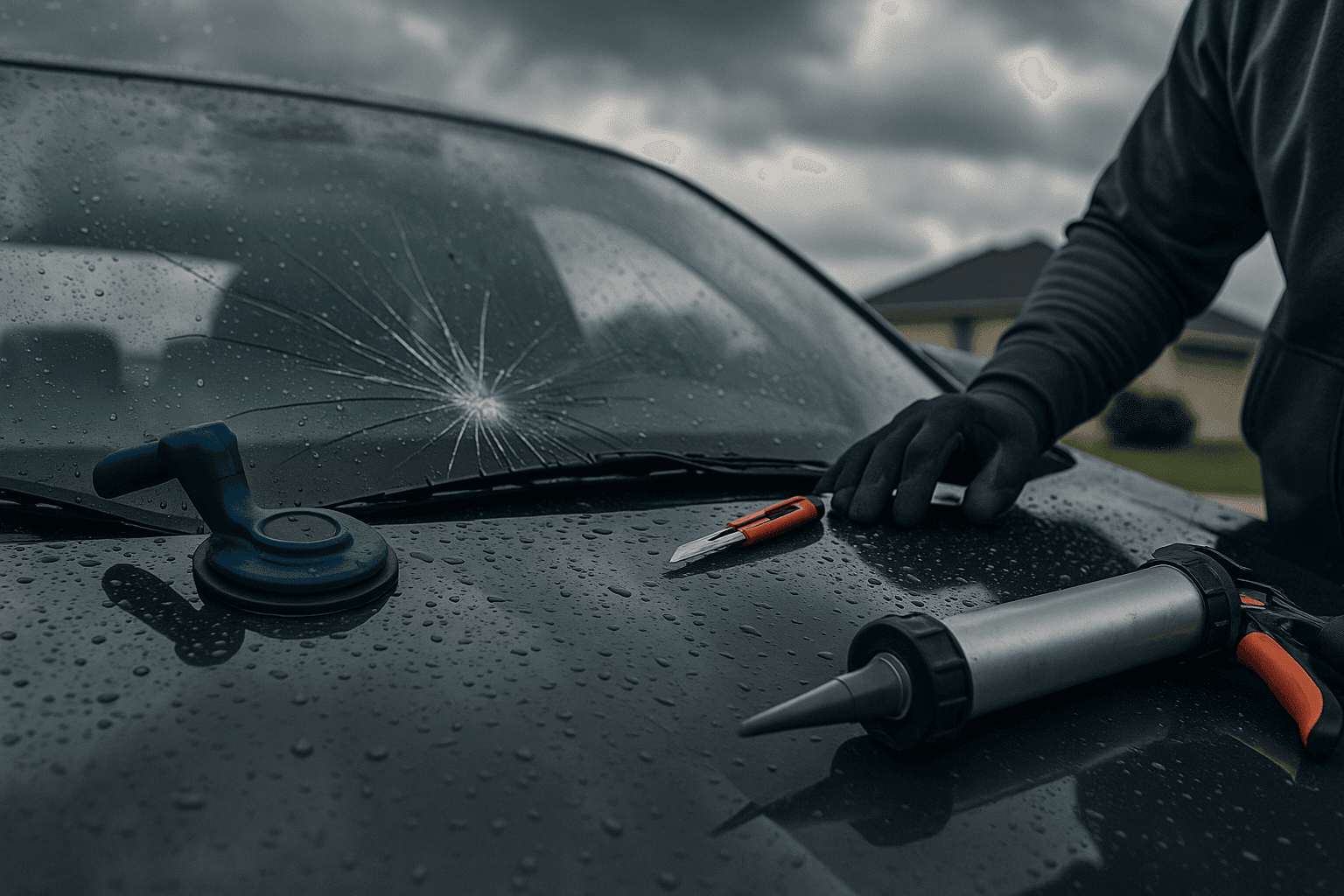
When a storm rips through and leaves your car or work vehicle battered, it’s more than just an inconvenience. Cracked windshields, shattered windows, or leaks can throw your day—and your safety—off track. For homeowners and small business owners, knowing what to do next is crucial.
At Autoglass Royal, we’ve helped thousands recover from weather’s worst. This guide walks you through the first steps, safety tips, and long-term solutions for weather-damaged auto glass. Let’s get your vehicle safe, secure, and back on the road.
Identifying Types of Weather-Related Auto Glass Damage 🌩️
Severe weather doesn’t play favorites. Hail, wind, flying debris, and freezing temperatures can all leave their mark. But not all damage is the same.
Common Types of Damage
- Cracks: Long, winding lines—like a spider’s web—often from hail or sudden temperature shifts.
- Chips: Small, star-shaped dings from pebbles or hailstones.
- Shattered Glass: Complete breakage, typically from heavy debris or falling branches.
- Leaks: Water seeping in around seals, often after freezing and thawing cycles.
- Scratches: Fine lines, sometimes caused by sand or branches whipped by the wind.
Each type poses its own risks. Cracks and chips can spread, turning a small problem into a major one. Leaks may seem minor but can lead to mold or electrical issues if ignored. Shattered glass is always an emergency.
Why Quick Action Matters
Even a tiny chip can become a major crack overnight, especially with temperature swings. According to the National Highway Traffic Safety Administration (NHTSA), compromised auto glass can reduce visibility and structural integrity during a collision. Safety comes first.
Emergency Safety Measures Before Professional Help Arrives
A damaged window or windshield isn’t just unsightly—it’s a safety hazard. Here’s how to stay safe while you wait for help.
Quick Safety Checklist
- Move to Safety: If glass is shattered, carefully move your vehicle to a secure spot. Avoid driving if visibility is impaired.
- Cover Exposed Areas: Use a tarp or heavy-duty plastic to shield broken glass from rain or debris. Tape edges down, but never tape directly on sharp glass.
- Avoid Touching Broken Edges: Wear gloves if you must handle glass. Tiny shards can be hard to spot.
- Check for Water Intrusion: Mop up standing water quickly to prevent mold or electrical issues.
- Keep Kids and Pets Away: Broken glass is a magnet for curious hands and paws.
- Document the Damage: Take photos from several angles. These will help with insurance claims later.
If you suspect any structural damage or if the glass is unstable, don’t risk it—wait for emergency auto_glass professionals.
How to Choose Between Repair and Replacement Post-Storm
Not all glass damage is created equal. Sometimes a quick repair does the trick. Other times, replacement is the only safe option.
When Repair Works
- Chips smaller than a quarter
- Short cracks (under 6 inches)
- Damage not in the driver’s direct line of sight
When Replacement Is Needed
- Cracks longer than a dollar bill
- Multiple cracks or chips
- Damage at the edge of the glass (weakens structure)
- Shattered or missing glass
A professional technician can assess the damage on-site and recommend the safest, most cost-effective solution. At Autoglass Royal, our mobile teams are trained to evaluate on the spot—no guesswork, just answers.
The Importance of ADAS Calibration After Glass Replacement
Modern vehicles are packed with safety tech—cameras, sensors, and radar, often mounted right on your windshield or windows. This is called Advanced Driver Assistance Systems (ADAS).
Why Calibration Matters
After glass replacement, those sensors need recalibration to work properly. Misaligned ADAS can mean lane departure warnings, automatic braking, and other features don’t function as designed. According to the Insurance Institute for Highway Safety (IIHS), proper calibration is essential for your safety.
Our technicians use manufacturer-approved tools to recalibrate ADAS after every relevant glass replacement. It’s not just a detail—it’s a must for modern vehicles.
Preventative Maintenance Tips to Minimize Future Weather Damage
You can’t control the weather, but you can stack the odds in your favor. Think of these tips as a raincoat for your auto glass.
- Park Under Cover: Use garages, carports, or even sturdy trees to shield from hail and debris.
- Check Seals and Weatherstripping: Cracked or worn seals invite leaks. Replace as needed.
- Treat Chips and Cracks Early: Small repairs are quick and affordable, and prevent bigger headaches.
- Keep Glass Clean: Dirt and grit can scratch glass during storms.
- Apply Protective Films or Tinting: These can add a layer of defense against flying debris.
- Schedule Regular Inspections: Especially before storm season, a pro can spot issues you might miss.
The National Glass Association recommends annual inspections for vehicles exposed to harsh weather.
Navigating Insurance Claims for Weather-Related Auto Glass Damage
Dealing with insurance can feel like trying to read a map in a thunderstorm. Here’s how to make it easier.
Steps to File a Claim
- Document the Damage: Photos, repair estimates, and a timeline help.
- Contact Your Insurance Provider: Ask about your deductible and coverage for glass.
- Get a Professional Assessment: Many insurers require a licensed technician’s report.
- Coordinate Repairs: Many providers work directly with auto glass shops like Autoglass Royal for seamless service.
Most comprehensive auto policies cover weather-related glass damage, but details vary. Our team helps with paperwork and direct billing, so you’re not left in the rain.
What to Expect When Emergency Auto Glass Pros Arrive
When you call for emergency auto_glass help, here’s what happens next:
- Assessment: A certified technician inspects the damage and checks for hidden issues.
- Safety Prep: They secure the area, remove loose shards, and protect the vehicle interior.
- Repair or Replacement: Using industry-standard tools and materials, they restore your glass.
- Cleanup: All debris is cleared—no surprises left behind.
- Calibration: If needed, ADAS systems are recalibrated on-site.
Our mobile service means you don’t have to risk driving with unsafe glass. We come to you—rain or shine.
Cost and Time Factors: What to Expect
No one likes surprises—especially when it comes to repairs. Here’s what typically affects cost and timing:
- Type of Damage: Chips and small cracks are usually less expensive and faster to fix.
- Glass Type: Windshields, side, rear, sunroof, and mirrors each have different costs.
- ADAS Calibration: Adds time and expense, but is essential for safety.
- Parts Availability: Rare or custom glass may take longer to source.
- Insurance Coverage: Your deductible and policy terms affect out-of-pocket costs.
Most repairs take less than an hour; replacements may take a few hours, especially with calibration. Your technician will give you a clear estimate before starting.
When It’s an Emergency: Don’t Wait
Some situations can’t wait for business hours:
- Shattered or missing glass
- Obstructed visibility
- Water pouring in during rain
- Broken glass after a break-in
If your vehicle is unsafe to drive or exposed to the elements, it’s time to call for emergency auto_glass help right away. Quick action protects your vehicle, valuables, and everyone inside.
Frequently Asked Questions
What if my windshield is only chipped—can I wait to fix it?
Small chips can quickly turn into large cracks, especially after temperature swings. It’s best to repair them as soon as possible.
Will my insurance go up if I file a claim for weather-related glass damage?
Most comprehensive policies cover weather damage without raising premiums, but always check with your provider.
Can I drive with a cracked windshield?
If the crack impairs your vision or the glass is unstable, it’s unsafe and may be illegal according to Federal Motor Vehicle Safety Standards.
Do I need to recalibrate my vehicle’s sensors after glass replacement?
If your car has ADAS features, recalibration is necessary to ensure safety systems work correctly.
Special Considerations for Homeowners and Small Business Owners
For small business owners, a damaged fleet vehicle can mean lost revenue. Homeowners may worry about security or water damage. Here’s what to keep in mind:
- Fleet Services: Schedule repairs for multiple vehicles at once to minimize downtime.
- Commercial Vehicles: Larger windshields and specialized glass may require extra care.
- Security: Broken glass can leave valuables exposed—secure your vehicle until repairs are made.
- Custom Solutions: From tinting to custom glass, ask about options that suit your needs.
- Insurance Assistance: Our team helps streamline claims for both personal and business vehicles.
When severe weather strikes, don’t let auto glass damage slow you down. Call Autoglass Royal now — or reach us anytime at 888-899-8795 . Your safety, comfort, and peace of mind are our priority.